
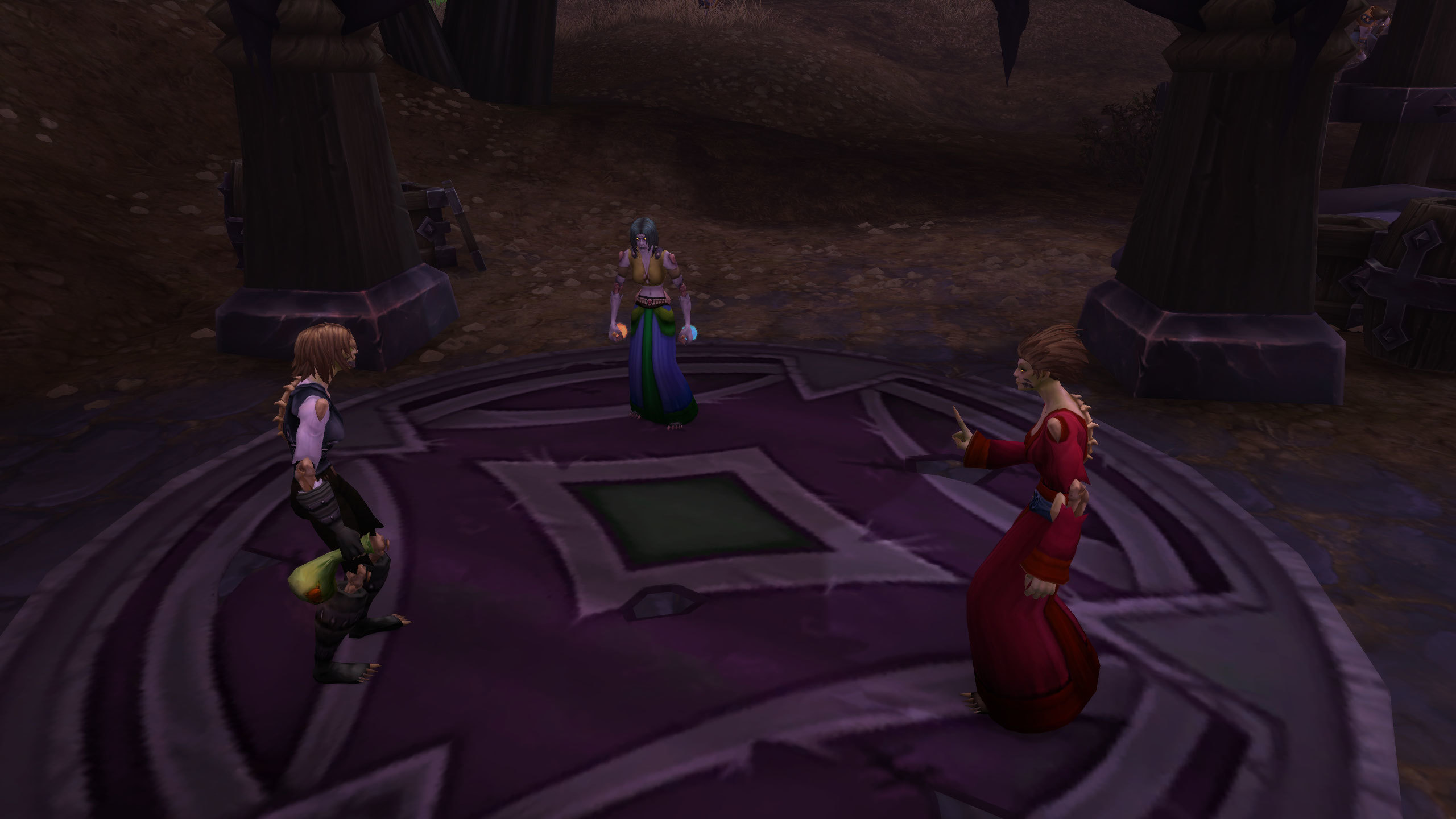
The return of Classic reignited something rare in online gaming — a shared longing for a world players thought they had lost. It wasn’t simply the mechanics, quests, or zones that players returned to; it was a memory of how the game made them feel. Classic wasn’t just a re-released product. It was a historical moment, a collective rekindling of stories built during the earliest years of the MMO era. When millions logged back in, they weren’t chasing progression — they were returning to a piece of their past.
This article explores how the re-release of Classic proved the unmatched power of nostalgia and why it resonated across multiple generations of players.
A Return to a World Built on Difficulty and Discovery
Classic brought back the slow, deliberate pace that defined the original experience. Travel took time, quests lacked direction, and danger lurked in even the simplest pulls. Instead of overwhelming players, these design choices created connection. Every milestone felt meaningful because it required effort. Exploring felt like uncovering a world rather than completing a checklist. This slower pace sparked nostalgia for an era when progress was earned through patience, persistence, and shared problem-solving.
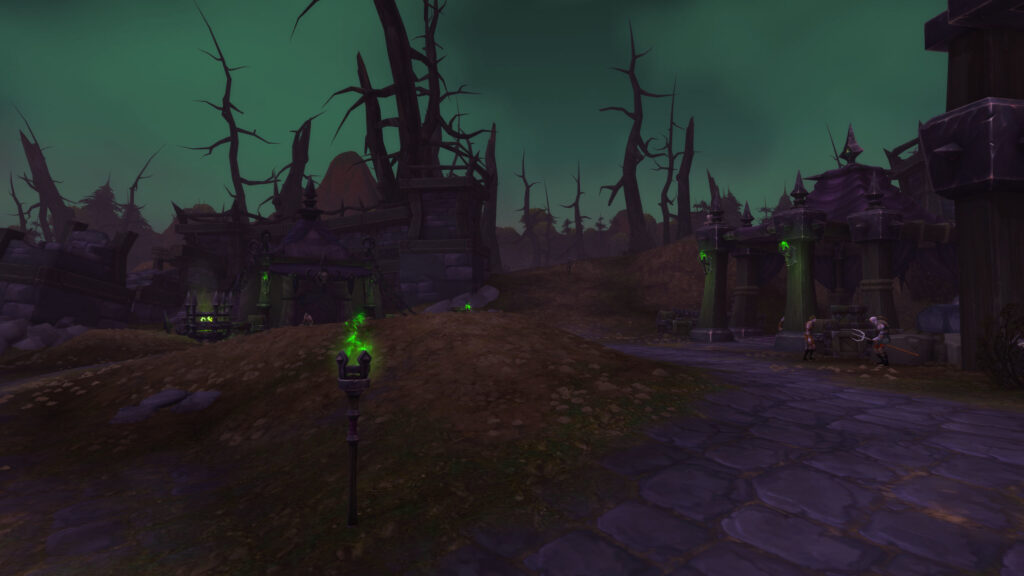
The return to difficulty triggered a flood of emotional memory.
The Social Spark That Modern Versions Lost
Classic reminded players of how necessary communication once was. Forming groups required conversation. Traveling to dungeons required cooperation. Guilds grew out of necessity, creating friendships that often lasted years. The modern experience, refined and efficient, no longer reproduced this natural social friction. By reintroducing it, Classic reignited bonds that many players hadn’t experienced since the early days of the game.
To highlight the social differences, here is a simple comparison:
- Groups formed manually instead of through automated queues
- Zones felt alive due to player presence, not instanced design
- Guilds served as social hubs rather than organizational tools
- Travel mattered — creating shared journeys rather than shortcuts
- Reputation was personal, encouraging collaborative behavior
The Emotional Pull of Returning Home
For many players, logging into Classic felt like stepping through a time portal. Music, landscapes, and familiar NPCs triggered emotional memories from years earlier. Classic did more than recreate old content — it reopened a chapter players thought closed forever. This emotional response fueled the game’s explosive success, proving that nostalgia can reshape modern gaming landscapes when executed with authenticity and respect.
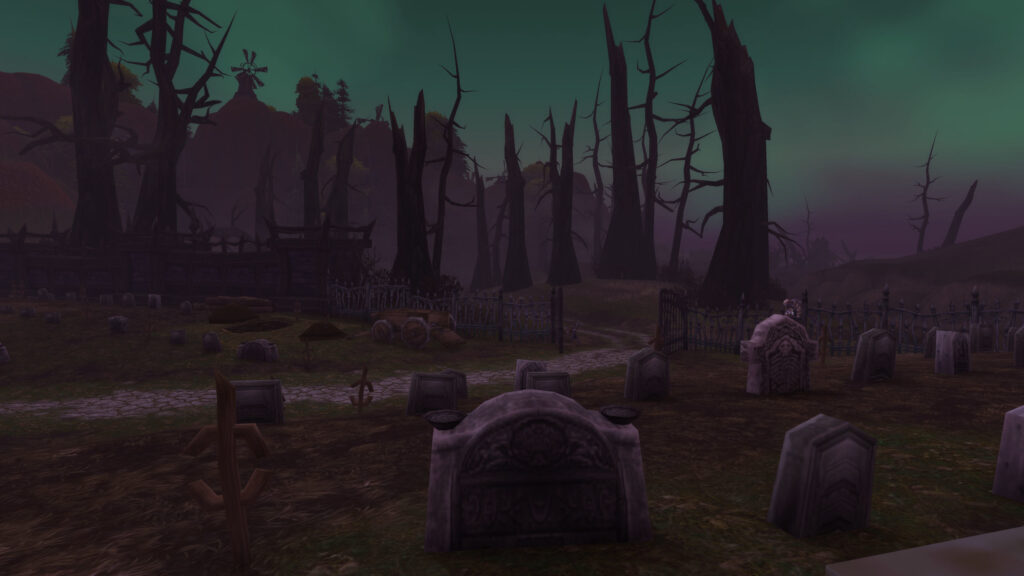
Memory became the most powerful form of storytelling.
Why the Old Systems Still Felt Fresh
Despite being decades old, the systems in Classic offered something modern titles often struggle to provide: unpredictability. Players didn’t know exactly where every drop would come from or how each zone would unfold. The lack of streamlined guidance forced them to experiment, explore, and rely on each other. What seemed archaic in theory felt refreshing in practice, reminding players that innovation doesn’t always require reinvention — sometimes it requires returning to the roots of what once made gaming magical.
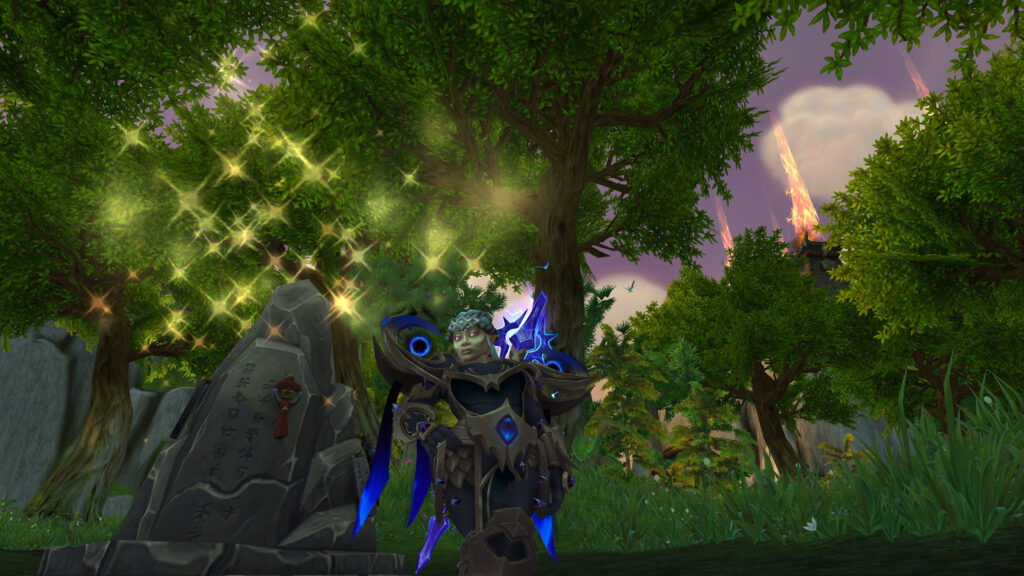
Classic turned limitations into emotional strengths.
A Cultural Moment That Redefined the Franchise
The success of Classic was not a nostalgia stunt. It was a cultural event that reshaped how developers viewed the value of history. It showed that older design philosophies could stand strong beside modern innovations, each appealing to different emotional needs. Classic validated the memories of millions of players while introducing new generations to the sense of discovery that defined the early years of the MMO genre.
Nostalgia became a bridge between past and present.