

Dungeon pathing has evolved into a creative problem-solving exercise where efficiency and safety are no longer opposites. Instead of following rigid, community-approved routes, high-performing groups adapt paths dynamically to reduce risk, preserve cooldowns, and maintain momentum.
This creative approach turns dungeons into flexible environments where smart decisions matter as much as raw execution.
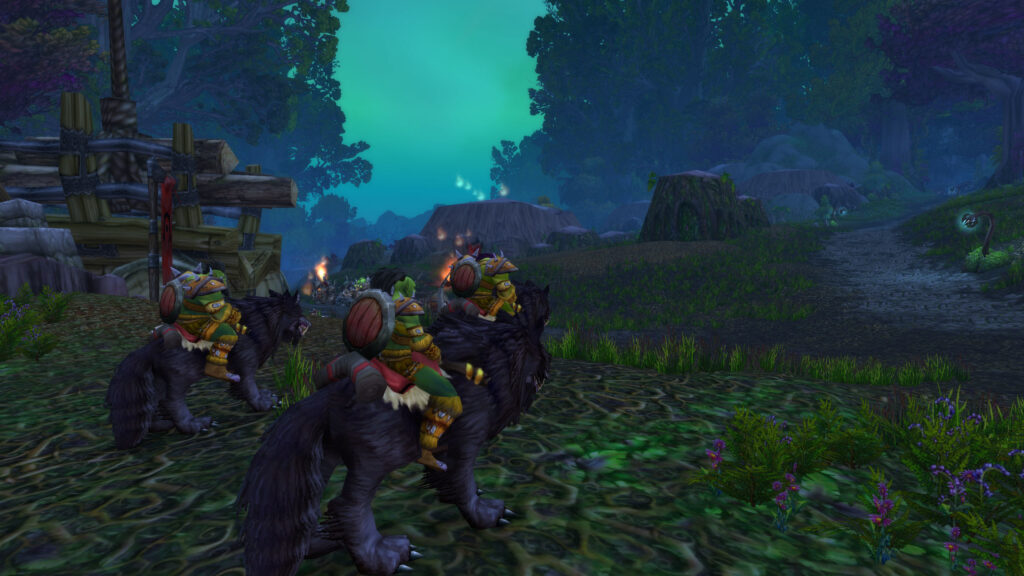
From Fixed Routes to Adaptive Movement
Early dungeon optimization favored static routes designed to minimize uncertainty. These paths worked well until unexpected deaths, affix interactions, or group mistakes disrupted the plan.
Modern groups prioritize adaptability, adjusting movement and pull order on the fly to respond to real-time conditions.
Pathing as a Risk Management Tool
Creative pathing reduces exposure to dangerous packs and overlapping mechanics. Choosing when and where to fight often matters more than how hard enemies hit.

This mindset shifts dungeons from damage checks into positioning and pacing challenges.
Decisions That Define Effective Pathing
Successful groups evaluate multiple variables before committing to a route.
- Skipping high-risk packs during weak cooldown windows
- Grouping safer enemies for efficient cleave
- Using terrain to limit enemy abilities
- Adjusting paths after deaths to recover time
These choices compound into smoother, safer runs.
Cooldown Economy and Route Flow
Pathing and cooldown planning are inseparable. Creative routes align dangerous pulls with available tools rather than forcing cooldowns reactively.
This alignment preserves stability while maintaining speed.
Why Creative Pathing Outperforms Memorization
Memorized routes fail when conditions change. Creative pathing thrives on awareness, allowing groups to recover from mistakes without panic.
This flexibility consistently produces faster clears with fewer deaths.
Conclusion
Dungeon pathing creativity transforms clears into controlled, efficient experiences. By prioritizing adaptability over rigid execution, groups achieve faster times and safer pulls, proving that smart movement is as important as combat skill.